Embarking on a literary journey is akin to setting sail on uncharted waters—a thrilling adventure filled with the promise of discovery, insight, and escapism. However, just as the sea harbors unpredictable storms and treacherous currents, the world of literature can sometimes present readers with unforeseen challenges. As avid book enthusiasts, we all yearn for that transformative experience within the pages of a novel, only to find ourselves occasionally shipwrecked on the shores of disappointment.
In the spirit of honest reflection, let’s navigate the literary landscape together and explore some of the most disappointing reads that 2023 had to offer. While literature remains a subjective realm, it’s important to acknowledge that not every book resonates with every reader. So, fasten your seatbelts as we delve into the turbulent waters of literary letdowns and ponder the lessons we can glean from these unexpected twists and turns.

Most Disappointing Books
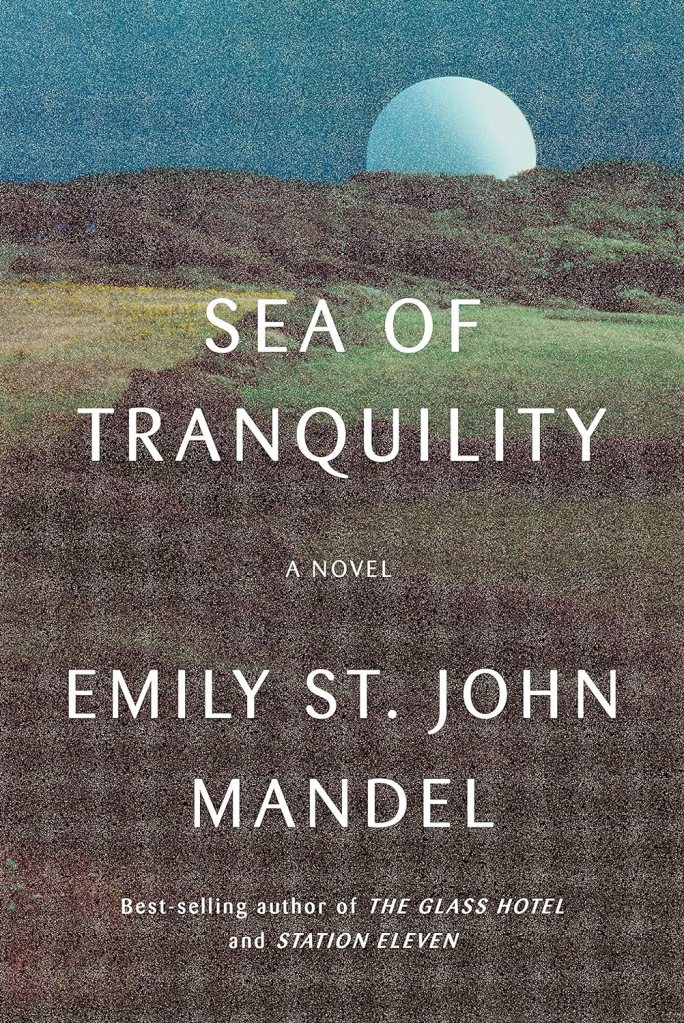
Sea of Tranquility intertwines two timelines. Edwin St. Andrew, banished in the 19th century, encounters a mysterious violin melody in the Canadian wilderness. Two centuries later, Olive Llewellyn’s bestselling novel mentions the same haunting music. Detective Gaspery-Jacques Roberts, investigating an anomaly, connects lives disrupted by the resonance of this timeless melody, revealing a narrative that transcends the boundaries of time and space.
It’s a rarity to find a time travel book universally praised by major publications, and I, too, approached it with great anticipation. I was genuinely hyped and eager to fall in love with it. However, as I turned the pages, my hopeful refrain persisted: “It’s going to get better.” Regrettably, that moment never arrived.
From an emotional and suspenseful standpoint, the time travel paradox felt superficial, lacking the depth one expects. The scientific foresight was disappointingly average, failing to elicit the anticipated “Aha” moment. Emotionally, it resembled the slow growth of grass, leaving me somewhat disconnected and uncertain about the book’s overarching message.
There was a persistent feeling of ambiguity, as if the book struggled to convey a clear purpose or evoke a genuine emotional response. The so-called “science” failed to instill that anticipated moment of revelation. Amidst these shortcomings, there were fleeting moments of interest, tantalizing hints that something unique and truly compelling might unfold—a hope that kept me turning the pages in search of a redeeming revelation.
Debut author Hadeer Elsbai introduces a new duology, drawing inspiration from modern Egyptian history in a fresh world. The story follows Nehal, a waterweaver yearning for the Weaving Academy, and Giorgina, an earthweaver involved with a women’s rights group. Forced into an unwanted marriage and entangled in political unrest, Nehal and Giorgina unite in their fight for freedom against a backdrop of looming war. The narrative explores their shared struggle for women’s rights and forbidden elemental magic in a world on the brink of conflict.
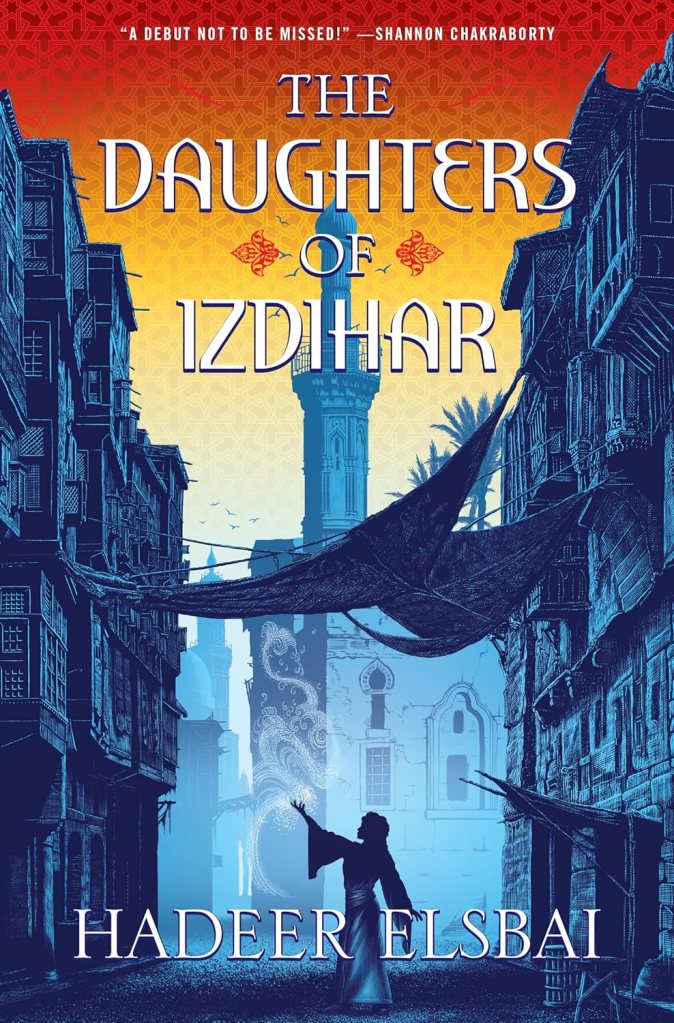
This book stands as a colossal disappointment, perhaps the most lackluster read I’ve encountered.
The characters, disappointingly, exhibit a level of maturity more suited to thirteen-year-olds than a substantial narrative. The portrayal of male characters as universally negative feels both simplistic and uninspired. Moreover, the plot drags along at a glacial pace, with any semblance of excitement hurriedly summarized in a mere three sentences.
The timeline of the story remains frustratingly ambiguous, leaving readers grappling with uncertainty about when it’s supposed to be set. The language employed throughout is not only juvenile but remarkably out of place, resonating more with modern vernacular than a cohesive narrative.
Perhaps most baffling is the incongruity within the depicted world. In a society where women are systematically oppressed, the notion of addressing men with such open defiance contradicts the established dynamics, rendering the narrative incoherent and devoid of logical consistency.
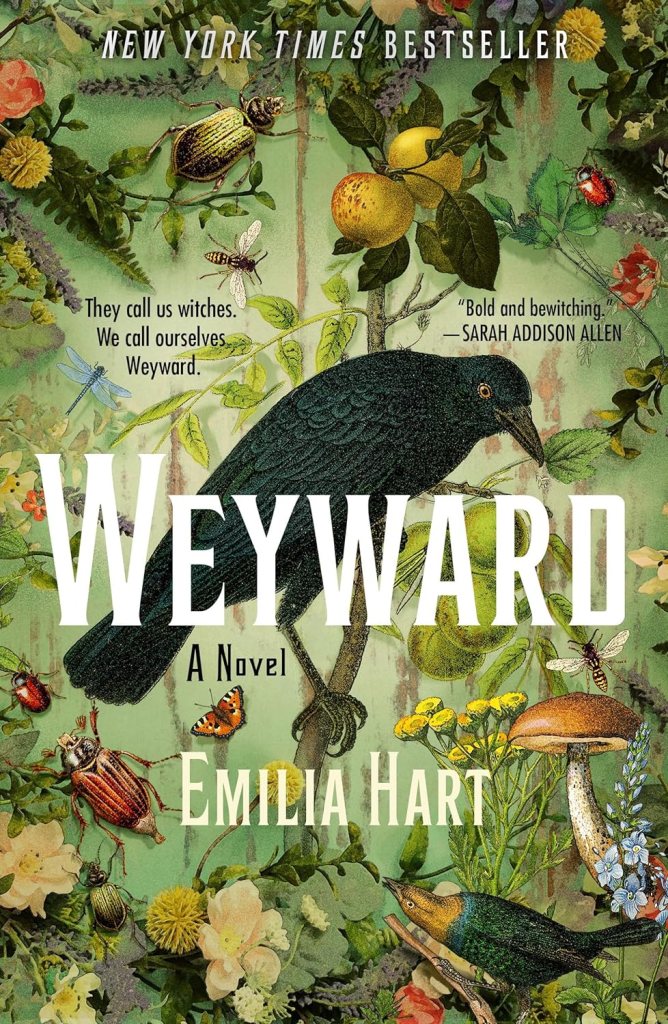
In “Weyward” by Emilia Hart, three women’s lives unfold across different centuries, intricately connected by a mystical thread. In 2019, Kate seeks refuge in Weyward Cottage, only to uncover a hidden secret dating back to the 17th century witch-hunts. In 1619, Altha faces a trial for a murder linked to her unconventional magical abilities, rooted in an ancient knowledge of nature. Meanwhile, in 1942, Violet, trapped in societal constraints during World War II, longs for education and traces her mother’s mysterious past. As these narratives intertwine, the novel becomes a captivating exploration of female resilience and the profound influence of the natural world.
This novel encapsulates everything I find enthralling – historical fiction, the intricate tapestry of witchcraft’s history and psychology, and the nuanced exploration of feminism. The narrative unfolds through the lives of three remarkable women, each offering a unique perspective. The story is compelling and gripping from the outset, presenting three distinct viewpoints of female characters navigating the challenges of a male-dominated world.
While the book effectively highlights the persisting struggles for gender equality in the 21st century, it regrettably falls short in portraying a balanced view of feminism. The male characters are uniformly cast as antagonists, lacking depth and diversity. Feminism, to me, signifies equality between men and women, a concept that the book failed to communicate effectively. The narrative’s portrayal of “all men as the bad guys” felt overly simplistic and did not align with my understanding of feminism, which encompasses a broader spectrum of perspectives.
However, on a positive note, I appreciated the thematic connection between the characters and nature. The women drawing strength and confidence from their bond with the natural world added depth to the narrative and offered a refreshing dimension to the storytelling.
In the aftermath of her harrowing quest to liberate her mother, Xingyin finds solace in the tranquility of her home. Yet, a burgeoning threat emerges with the discovery of an enigmatic magic on the moon and unsettling shifts in the Celestial Kingdom. Determined to avoid the looming danger, Xingyin’s resolve is tested when a shocking truth surfaces, compelling her into a perilous confrontation. Forced to abandon her sanctuary once more, Xingyin, alongside her companions, embarks on an odyssey into the uncharted realms of the Immortal Realm. There, they encounter legendary creatures, cunning monarchs, and navigate ever-shifting alliances. As the tides of allegiance turn swiftly, Xingyin must confront past grievances, seeking aid from unexpected quarters. A malevolent terror threatens the realm, propelling Xingyin to unearth the truth within her heart and confront devastation. In a race against time, she must rise against the encroaching evil, even if the cost demands the ultimate sacrifice.
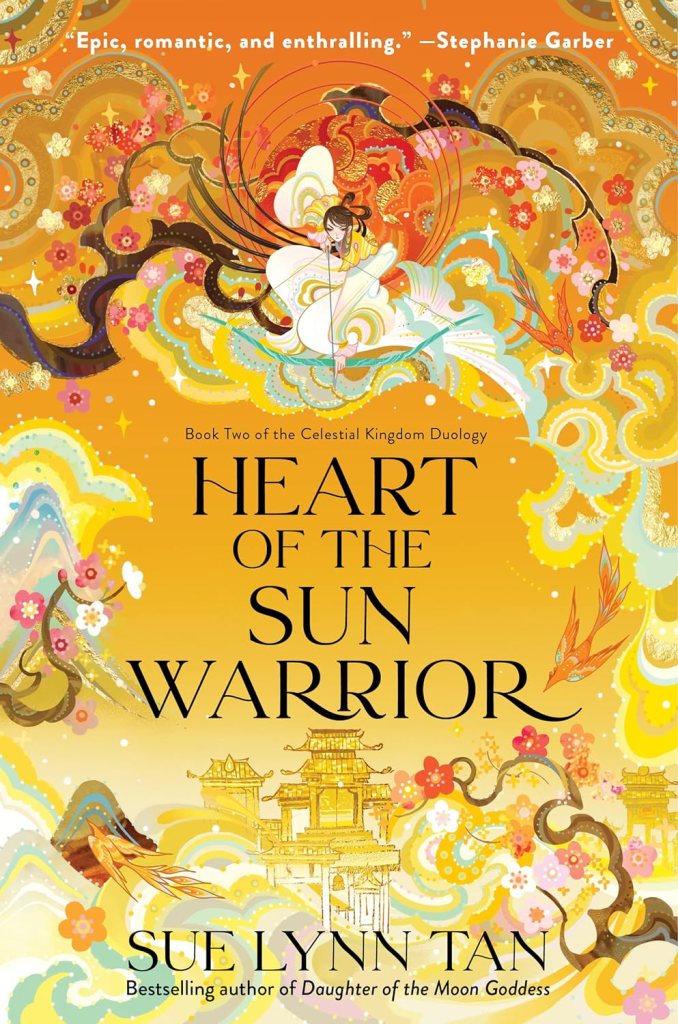
Have you ever read a follow-up book and been utterly crushed after loving the first one? Well, that’s exactly how it went for me. I genuinely adored “Daughter of the Moon Goddess.” It felt like a C-drama in novel form, and I was hooked. The narrative unfolded like an enchanting fairy tale, and the vivid descriptions brought every scene to life, turning even the somewhat formulaic plots into compelling and satisfying reads.
So, you can imagine my excitement for the second installment. However, this book turned out to be the most unnecessary continuation of a series. Despite my love for the first book (aside from one questionable plot decision), the sequel failed to capture my interest. The plot felt completely implausible, and the narrative unfolded at breakneck speed, leaving me bewildered.
The only saving grace was the ending, which, thankfully, wasn’t a conventional happily-ever-after. I appreciated the protagonist’s choice of partner, but overall, the second book was a major letdown, failing to live up to the magic of its predecessor.
Abandoned Chronicles: DNFs
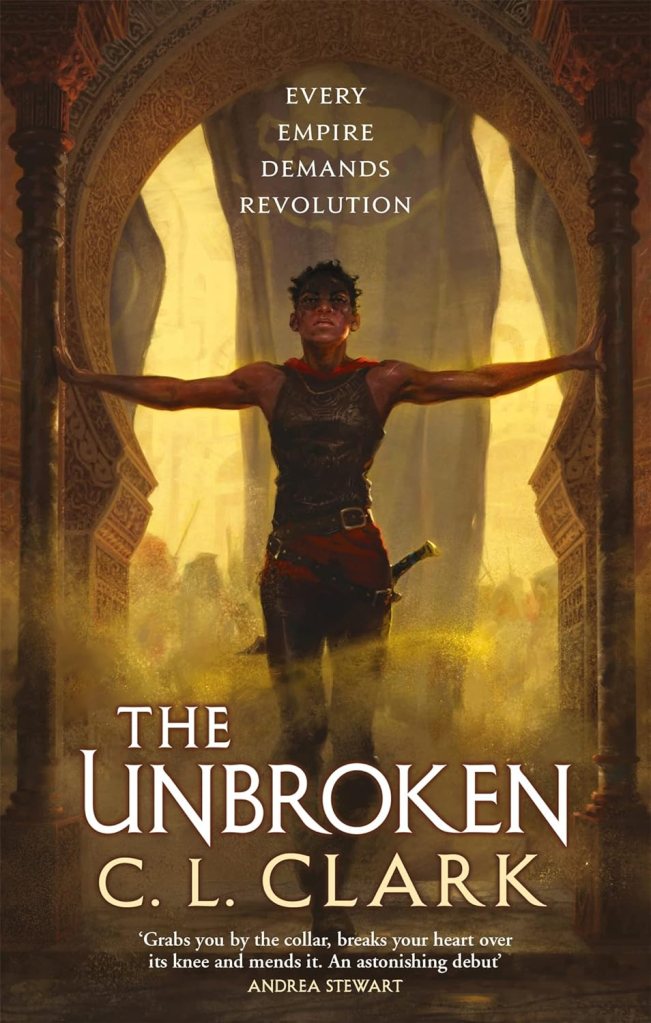
Touraine is a soldier. Stolen as a child and raised to kill and die for the empire, her only loyalty is to her fellow conscripts. But now, her company has been sent back to her homeland to stop a rebellion, and the ties of blood may be stronger than she thought. Luca needs a turncoat. Someone desperate enough to tiptoe the bayonet’s edge between treason and orders. Someone who can sway the rebels toward peace, while Luca focuses on what really matters: getting her uncle off her throne. Through assassinations and massacres, in bedrooms and war rooms, Touraine and Luca will haggle over the price of a nation. But some things aren’t for sale.
This cover immediately drew me in, promising a riveting military fantasy in an unconventional setting. What did I get? No military, and frankly, not much fantasy. I abandoned this book after 100 pages, frustrated by inconsistent characters and a glaring absence of any military strategies.
Anticipating a blend of magic and intricate military tactics, I was sorely disappointed. Despite frequent skirmishes, the narrative lacked the strategic depth I craved. I waited for a brilliant plan, a game-changer that would leave me astounded, but it never materialized. Ultimately, the book left me unsatisfied.
In the house of Helios, Circe, a peculiar daughter neither powerful like her father nor alluring like her mother, discovers her gift of witchcraft. Banished by Zeus to a deserted island, she hones her powers, encounters mythological figures, and faces danger. Drawn into conflicts with gods and men, Circe must navigate her path, torn between her divine origins and the mortal world she has grown to love.
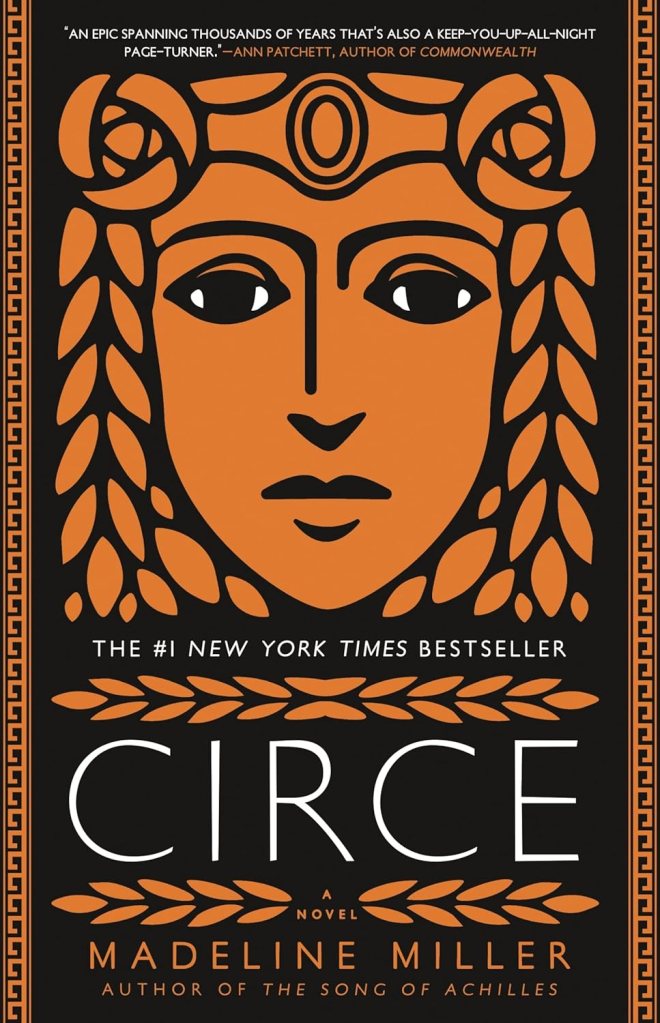
I’ve attempted to delve into this book three times—via audiobook, physical copy, and eBook—and none of these mediums could engage me with the story. Despite the multitude of people praising this book for its profound sadness, claiming it’s perfect for those who love tear-jerkers, I find myself utterly incapable of finishing it. I’ve reached a definitive decision to abandon any further attempts.
It appears that Greek retellings just aren’t my cup of tea, as I consistently fail to find any enjoyment in them. It’s disheartening to witness so many readers reveling in the emotional depth of the narrative while I struggle to connect with it on any level. The allure escapes me, and I’m left with the unshakeable conviction that this book and I are simply incompatible.

As the tempestuous waters gradually calm, it’s time to bid farewell to this turbulent journey and set sail towards new adventures with my boat. The waves of experience have sculpted the narrative, and with each swell and dip, the voyage has been both challenging and rewarding. Now, as I navigate away from the stormy seas, I eagerly anticipate the uncharted territories that await, ready to explore fresh narratives, encounters, and discoveries. The vessel of my words sails forth, propelled by the winds of curiosity and the promise of what lies beyond the horizon. Until the next chapter unfolds, I leave behind the echoes of this journey, carrying with me the memories of these tumultuous waters and the anticipation of the unexplored seas that beckon.
 The Reading Stray
It´s improtant to talk about the “fails” too. And you are able to do it absolutely factual. Thanks for some honest words.
LikeLiked by 1 person
Thank you so much 🙂
LikeLike